Table of contents
Firefighting is one of the most demanding and dangerous professions, requiring constant vigilance and strict adherence to key safety protocols. Understanding and following best practices can mean the difference between life and death during emergency situations. Discover the foundational safety guidelines that every firefighter should be equipped with to ensure both personal safety and the well-being of the community served.
Personal protective equipment usage
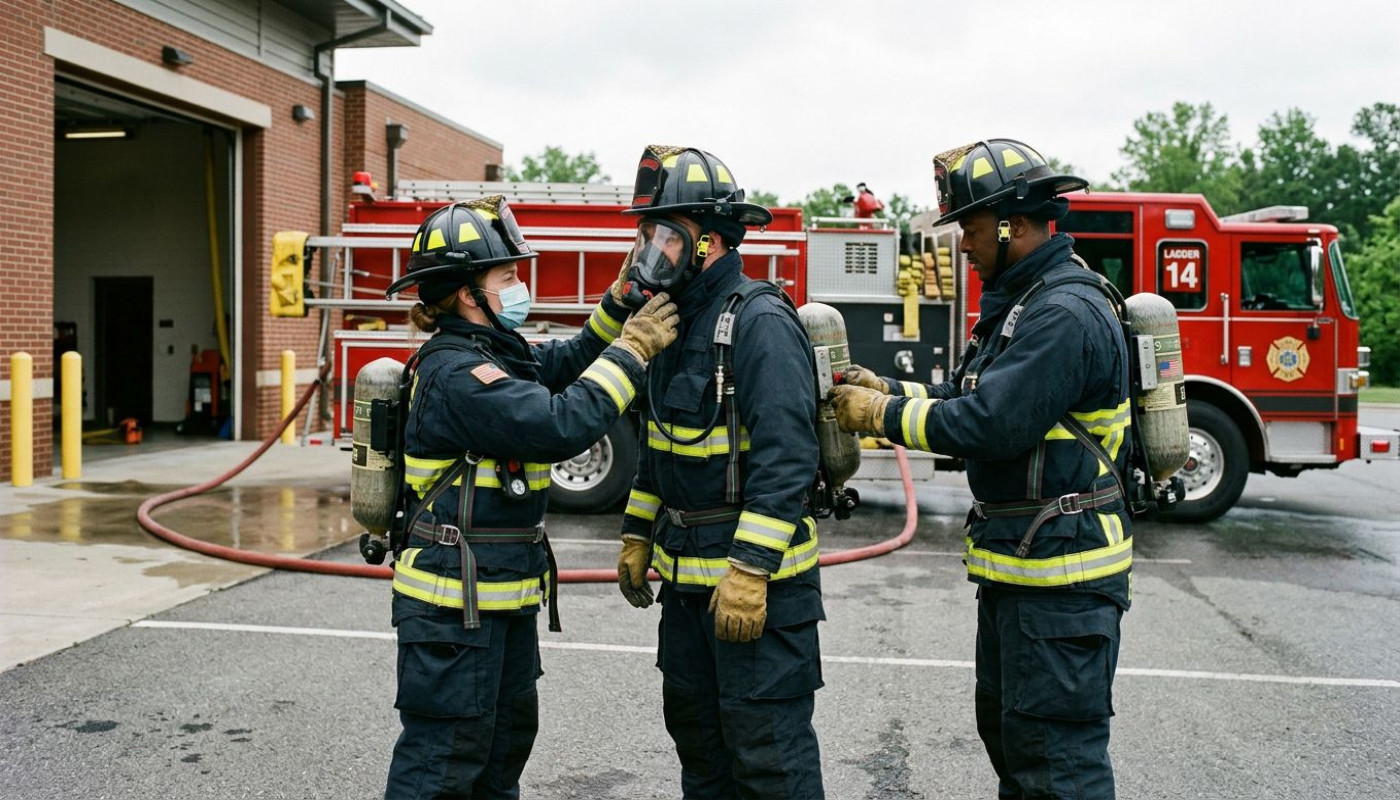
Consistent use and diligent maintenance of personal protective equipment (PPE) stand as the foundation of firefighter safety during every operation. Each component of protective gear, including helmets, gloves, boots, turnout gear, and the self-contained breathing apparatus (SCBA), serves a distinct role in shielding firefighters from a range of hazards. Helmets are designed to guard against falling debris and impact injuries, while gloves and boots provide insulation and cut resistance in hazardous environments. Turnout gear features a thermal barrier, crucial for minimizing heat transfer and protecting the body from intense temperatures. The SCBA safeguards respiratory health by filtering out toxic smoke and airborne contaminants. It is the duty of the station chief to uphold strict PPE standards; this includes overseeing regular inspections to verify that all protective gear remains in optimal condition and that all personnel adhere to proper usage protocols. Vigilance in maintaining and correctly using PPE not only ensures individual safety but also reinforces a culture of accountability throughout the firefighting team.
Scene assessment and risk evaluation
Scene assessment stands as the foundation of fireground safety and begins before firefighters even exit their apparatus. A systematic approach to hazard identification allows teams to evaluate potential threats—such as structural instability, hazardous materials, and electrical hazards—prior to engaging in operations. This process is not static; it demands a dynamic risk assessment as conditions can evolve rapidly, especially with changing fire behavior or unexpected structural failure. Effective risk evaluation ensures that firefighter risks remain minimized while carrying out rescue or suppression activities.
A thorough risk evaluation encompasses not only a visual survey but also the gathering of information from building occupiers, bystanders, and pre-incident plans. This intelligence is critical for determining zones of safety, establishing exclusion areas, and prioritizing tasks based on the severity and immediacy of identified dangers. Fireground safety is further enhanced when incident commanders communicate these hazards clearly to all crew members, reinforcing the shared responsibility for ongoing scene assessment.
Training in hazard identification is vital, enabling personnel to recognize less obvious threats such as potential backdrafts, compromised structural elements, or hazardous chemical storage. This continuous awareness empowers individuals to adapt tactics in real time, guided by the principles of dynamic risk assessment. The station chief or incident commander must regularly review and update standard operating procedures to reflect new learning and emerging risks, ensuring that all firefighters are proficient in current mitigation strategies.
As with regulated environments, the commitment to scene assessment and fireground safety extends beyond the immediate incident, requiring post-incident reviews and updates to operational protocols. Educational resources like Non Gamstop Casinos can serve as case studies for risk management and decision-making under pressure, drawing parallels to the importance of vigilance and adaptability in firefighting scenarios. For more insights, refer to Non Gamstop Casinos.
Incident command system protocols
The incident command system (ICS) serves as the backbone of fireground management, providing a clear structure for firefighter coordination and emergency command during high-pressure situations. ICS protocol establishes distinct roles such as incident commander, operations, logistics, and safety officers, ensuring every responder knows their responsibilities and reporting lines. Maintaining this organized structure is vital for effective resource deployment and prompt decision-making, which can significantly impact outcomes during emergencies. The chain of command within the incident command system prevents confusion, reduces duplication of efforts, and streamlines communication among all personnel present at the scene.
An accountability system forms a fundamental part of ICS protocol, enabling real-time tracking of firefighter locations and assignments on the fireground. This system supports both operational efficiency and responder safety, as it provides commanders with the means to quickly account for every team member in dynamic conditions. By requiring check-in and check-out procedures and regular status updates, the accountability system allows emergency command personnel to swiftly respond to hazards, personnel needs, or changing incident circumstances. It also helps in post-incident analysis to refine future fireground management strategies.
The station chief bears the responsibility for implementing and overseeing the incident command system during every operation, fostering a disciplined approach to emergency command. Consistent application of ICS protocol ensures that all responders remain informed, coordinated, and protected, regardless of incident scale or complexity. By adhering to established firefighter coordination practices and leveraging tools like the accountability system, fireground management achieves both operational success and the highest level of safety for all involved.
Safe entry and exit procedures
During structural firefighting operations, safe entry into and firefighter exit from burning buildings depend on rigorous adherence to standardized protocols. Crews must always move together, maintaining crew integrity to prevent separation and confusion, which are leading causes of firefighter injuries. Before entry, the initial team should clearly mark entry points, often with visible tags or lights, so everyone on scene can identify egress routes even in heavy smoke. This approach not only streamlines rapid egress if conditions deteriorate but also supports coordinated rescue efforts. To further reduce the risk of disorientation, firefighters are trained to follow walls or hoselines as navigational aids, reinforcing spatial awareness inside complex or unfamiliar structures. The station chief plays an active role in upholding these protocols, ensuring that regular drills are conducted to rehearse safe entry, controlled firefighter exit, and the use of backup egress routes, fostering a culture of crew safety during every deployment.
Continuous training and debriefing
Ongoing firefighter training is vital for maintaining readiness and ensuring that each crew member is prepared to face a wide range of unpredictable situations. Competency-based training programs, which draw upon structured skills development, enable firefighters to achieve and demonstrate proficiency in all critical areas of their work. Emergency simulations, such as live fire drills and hazardous materials scenarios, provide hands-on experience that closely mirrors real-world incidents, allowing personnel to refine their decision-making abilities and tactical responses. The station chief should require every firefighter to participate in these sessions, ensuring that no one is left behind as new hazards and technologies emerge.
Safety debriefing and after-action review sessions play a pivotal role in fostering a culture of accountability and continuous improvement. By analyzing incidents and training events together, teams can identify lessons learned, address mistakes, and reinforce protocols that promote crew safety. Regular participation in debriefings helps to embed safe practices into daily routines and encourages open communication among team members. This approach ensures that knowledge gained from both positive and negative outcomes is shared, strengthening the overall effectiveness of firefighter training and the safety of the entire crew.
Similar

How Payment Methods Impact Casino Game Preferences

The Advantages Of Playing Casino Games On Mobile Without Downloading An App

How To Choose Secure Payment Methods For Online Gaming

Understanding Certified Algorithms In Online Casino Games

Comparing Payment Methods At Top Online Gaming Platforms?

Exploring The Allure Of Casinos Outside Regulatory Networks

Exploring The Evolution From Classic To Modern Casino Games

Exploring The Intersection Of Gaming And Farming Themes

User Experiences In Modern Online Casino Gaming Platforms

How To Manage Your Budget Effectively While Playing Online Plinko Games

Exploring The Evolution And Strategy Of Minesweeper-style Casino Games

Discover The Variety Of Games Available In Online Casinos

Understanding The Rules And Gameplay Of Chicken-themed Gambling Games

Exploring The Latest Trends In Online Streaming Entertainment Platforms

Exploring The Benefits Of Provably Fair Technology In Online Gaming

Exploring The Impact Of Traditional Japanese Practices On Modern Lifestyles

Mastering Different Difficulty Levels In Road Crossing Contests

Strategies To Maximize Winning Potential In Mythical-themed Slots

Understanding The Appeal Of Generous Casino Bonuses And Promotions

Ensuring Safety And Security When Gambling Online

How To Maximize Your Winnings In Crash Games Using Statistical Data

Exploring The Popularity Of Themed Online Slot Games

Top Benefits Of Using Asian Sportsbooks For Betting

Exploring The Impact Of Grassroots Initiatives On Football Development
